
Month to Month Storage Niceville Made Simple
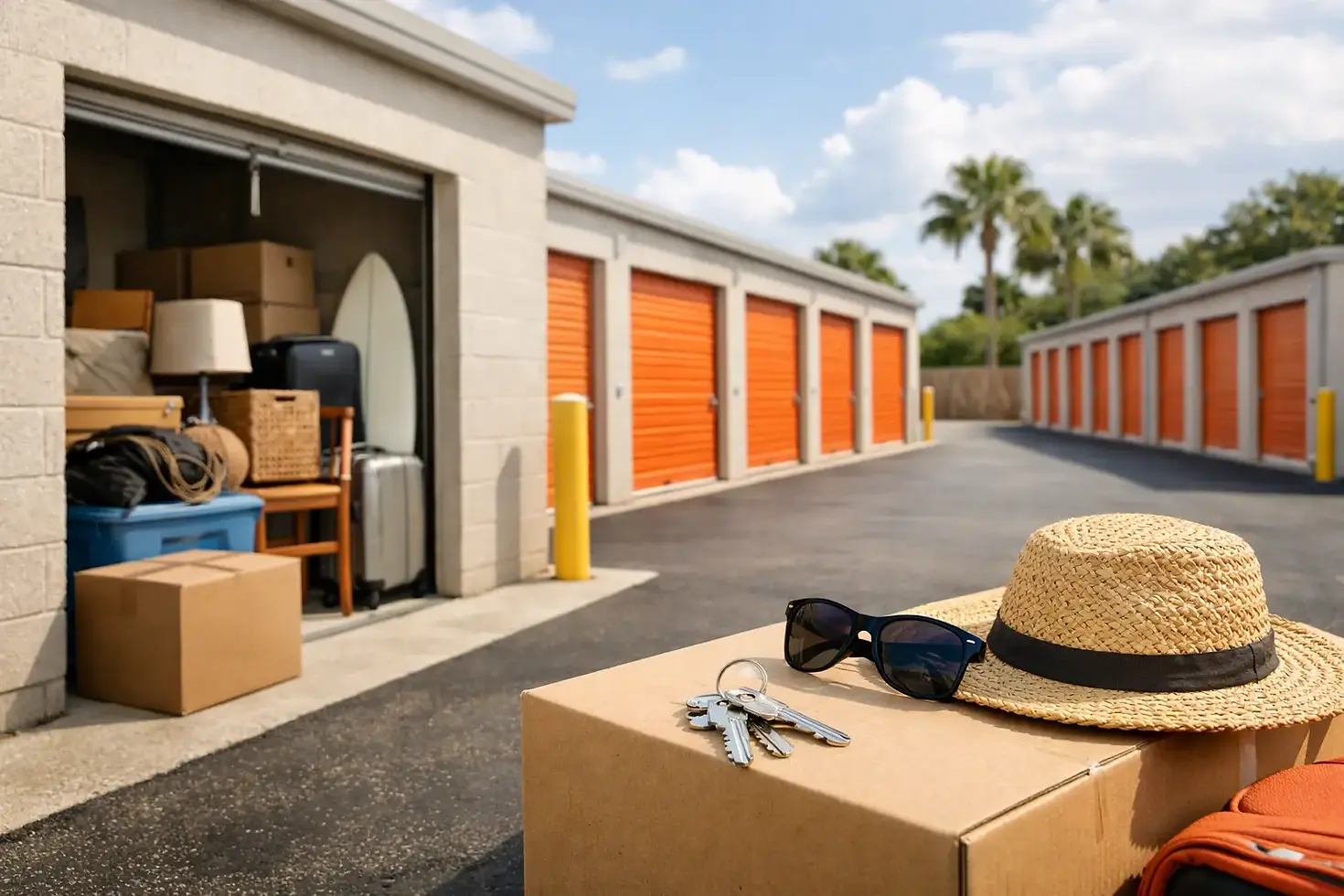
A spare bedroom disappears fast when you are preparing to move, clearing out a garage, or making room for family. Month to month storage Niceville residents can use gives you a practical place for those belongings without asking you to predict exactly when you will need them again. Rent the space you need, keep your options open, and adjust when life settles down.
That flexibility matters for more than moving boxes. A temporary work assignment, a home renovation, a military move, an estate cleanout, or a downsizing decision can all take longer than expected. A month-to-month rental lets you store what matters now without locking yourself into a long commitment that may not fit your plans.
When Month to Month Storage in Niceville Makes Sense
Month-to-month storage is a good fit when your timeline is still moving. Perhaps your new home closing date changed, contractors are working in stages, or you are sorting through a family member's possessions one room at a time. Instead of rushing decisions because your house feels crowded, you can create breathing room and handle the project at a reasonable pace.
It also works well for seasonal household needs. Holiday decorations, patio furniture, beach gear, bins of children's clothes, and garage overflow can take up a surprising amount of valuable space. Storing these items off-site can make a home easier to live in without giving up things you expect to use again.
For military households around Niceville, flexible storage can be especially helpful during a change of station, deployment, temporary housing period, or transition between leases. Plans can change quickly. A rental that continues month by month gives you a dependable place for personal belongings while you work out the next step. Ask about available military discounts when you call.
Month-to-month is not always the lowest-cost choice for every situation. If you know you will need storage for six months or a year, a longer lease may include savings or promotional offers that make better financial sense. The right choice depends on how certain your timeline is, how much you are storing, and whether a longer commitment fits your budget.
Choose a Unit That Fits Your Belongings
The best storage unit is not necessarily the biggest one. Paying for unused space can add up, while trying to squeeze too much into a small unit makes it hard to find anything later. Before reserving, make a quick inventory of your largest pieces and estimate how many boxes, bins, or furniture items you have.
An 8x10 unit can work well for boxes, seasonal items, smaller furniture, and the contents of a room that needs to be cleared. An 8x14 or 10x10 provides more room for a mix of household items, including chairs, small appliances, mattresses, and stacked cartons.
A 10x15 unit is often a practical choice during a move or renovation when you need to store furniture from several rooms. A 14x15 unit offers more room for larger household loads, multiple furniture sets, or the belongings from a bigger home. Exact capacity depends on how you pack, the size of your furniture, and whether you need a walkway to reach items during the rental.
When in doubt, ask for help choosing a unit. At Affordable Climate Control Mini Storage Inc., staff can discuss what you are storing and help you narrow down a size instead of leaving you to guess from an online chart. Availability changes, so calling before you plan your move-in day is the most reliable way to find out what is open.
Pack for Access, Not Just for Maximum Space
A unit can hold more when it is packed carefully, but convenience matters too. Put heavier boxes on the bottom and lighter boxes on top. Break down tables when possible, stand mattresses on their sides if appropriate, and use sturdy shelving only when it is safe and stable.
Keep a narrow aisle from the door toward the back of the unit. Place items you may need soon near the front, such as seasonal decorations, documents you are actively organizing, or clothes for an upcoming move. Label every box on more than one side. Six weeks from now, you should not have to open ten cartons to find one set of dishes.
Avoid storing food, perishable items, or anything that could attract pests. Do not store flammable, hazardous, or illegal materials. If you are unsure whether an item is suitable for storage, ask before moving it in.
Climate-Controlled or Standard Storage?
Niceville heat and humidity can be hard on certain belongings. Climate-controlled storage is worth considering for items that are sensitive to temperature swings or moisture, including wood furniture, electronics, photographs, books, artwork, important papers, musical instruments, and family keepsakes. It can also make loading and unloading more comfortable during a Florida summer.
Non-climate-controlled storage can be a cost-conscious option for durable items that are less sensitive to heat and humidity. Outdoor equipment, some tools, plastic storage bins, lawn items, and properly protected household goods may be suitable, depending on their condition and how long they will be stored.
There is no one answer for every household. A box of holiday lights has different needs than a grandfather clock or a collection of photo albums. Consider what you would be most upset to see damaged, then decide where climate control is worth the added monthly cost. Even in a climate-controlled unit, use clean, dry boxes and protective covers so belongings are ready for storage from day one.
What to Look for Beyond the Monthly Rate
Affordable pricing matters, but storage is also about peace of mind. Before choosing a facility, ask how the property is monitored, how units are secured, and when staff are available to help. You should know what you are paying for and who to call if you have a question about your account or unit.
Practical security features can include exterior cipher locks and 24-hour video surveillance. These measures do not replace sensible packing and good judgment, but they help create a more protected setting for personal possessions. Use a quality lock if required, keep your access information private, and avoid leaving items outside your unit while you sort.
Local support is another advantage. A real conversation can save time when you are comparing unit sizes, checking current availability, or trying to understand lease options. Larger chains may push renters through an automated process, but storage needs are often personal. A local family-operated facility can give you a straightforward answer and help you make a choice that fits your situation.
Also ask about payment options. Automatic payments can be useful if you are away on military orders, busy with a move, or simply trying to keep one more monthly task off your list. If you expect to rent longer than a month or two, ask whether six-month or annual terms include promotional savings, such as a free month with a qualifying contract.
Make Moving Day Easier
Reserve your unit before borrowing a truck or asking friends to help. Storage availability can change quickly, especially during busy moving periods. Confirm the unit size, lease type, move-in instructions, payment details, and any items you need to bring before loading the first box.
Bring a small set of basics: a lock if one is needed, packing tape, a marker, furniture covers, and a simple inventory list. Take photos of valuable items before storage, particularly furniture and electronics. This is useful for your own records and helps you remember what is in the unit months later.
If your plans change, month-to-month storage gives you room to respond without making a rushed decision. Call to check availability, talk through your unit options, and choose a space that helps your home feel manageable again.


Comments